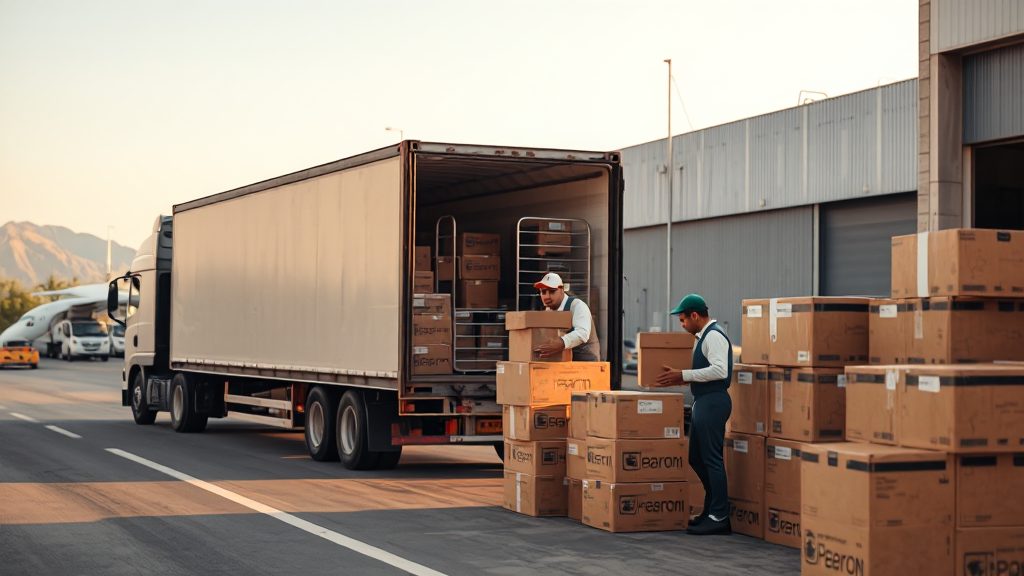
International Cargo Services in Peshawar: A Practical Guide for Shippers and Families
Peshawar has always been a city of movement. Sitting close to the Khyber Pass and connected to the wider trade routes of Khyber Pakhtunkhwa, it has served for generations as a meeting point for merchants, travellers and families with ties stretching far beyond Pakistan. Today that same spirit of movement shows up in a very modern way: people in Peshawar regularly send goods abroad, bring personal belongings home, or move their entire household to another country. That is exactly where International cargo services in Peshawar become essential, because sending items across borders is not the same as handing a parcel to a local courier.
Whether you are an exporter shipping commercial goods, a student sending books and clothing overseas, or a family relocating to the Gulf, Europe or North America, understanding how international cargo actually works will save you money, time and stress. This guide explains the practical side of cross-border shipping from Peshawar, from choosing air or sea freight to packing, documentation and customs clearance.
Why Cross-Border Cargo Matters for Peshawar
Peshawar’s economy has long depended on trade. The city’s bazaars supply goods to markets across the region, and many families have relatives working abroad who send or receive household items, gifts and electronics. Add to this the growing number of students and professionals leaving for overseas study or employment, and you get steady demand for reliable international shipping.
The challenge is that international cargo involves more than transport. It involves export documentation, customs inspection, duty assessment, carrier scheduling and last-mile delivery in the destination country. A shipment that is packed poorly, labelled incorrectly or documented incompletely can sit in a warehouse for weeks, incurring storage charges and delaying delivery. Professional cargo handling exists precisely to prevent these problems.
For businesses, efficient cargo services mean faster order fulfilment and happier overseas clients. For families, they mean the reassurance that personal belongings will arrive intact. Both groups benefit from the same fundamentals: accurate paperwork, sensible packing and a logistics partner who understands both Pakistani export rules and the import requirements of the destination country.
Air Freight vs Sea Freight: Choosing the Right Option
The first major decision in any international shipment is the mode of transport. Each has clear advantages, and the right choice depends on what you are sending and how quickly it needs to arrive.
Air Freight
Air freight is the faster option, typically moving cargo from Peshawar via Islamabad or Lahore to major international hubs. It suits urgent consignments, high-value items, perishable goods, important documents and smaller shipments where speed matters more than cost. Because air cargo is charged largely by weight and volume, it tends to be more expensive per kilogram, but the reduced transit time often justifies the price.
Sea Freight
Sea freight moves goods through Pakistan’s southern ports, mainly Karachi and Port Qasim, before they travel onward to destinations in Europe, the Middle East, Southeast Asia and beyond. It is the economical choice for heavy, bulky or non-urgent shipments such as household goods, furniture, machinery and large commercial consignments. Transit times are longer, often measured in weeks rather than days, but the cost savings can be substantial.
There is also a middle path: consolidated or groupage cargo, where your shipment shares container space with other consignments. This can make sea freight affordable even for smaller loads. A good cargo company will compare air and sea options for your specific items and explain the trade-offs honestly rather than pushing one method.
How the Shipping Process Works from Peshawar
Understanding the sequence of steps helps you plan and avoid surprises. While every shipment is slightly different, most international cargo follows a similar path.
1. Consultation and Quotation
The process begins with a detailed discussion about what you are shipping, its volume and weight, the destination address and your timeline. A reputable company will ask questions about the nature of the goods, since certain items such as chemicals, batteries, liquids and perishables face restrictions. You should receive a written quotation covering freight, packing, documentation and any likely customs charges.
2. Professional Packing and Labelling
International shipments endure far more handling than domestic ones. Items may be loaded, unloaded, stacked and inspected multiple times. Proper packing uses strong cartons, protective wrapping, cushioning and moisture-resistant materials. Fragile items such as glassware, electronics and artwork need individual protection. Every carton should be labelled clearly with contents, destination and contact details, and an inventory should be prepared for customs purposes.
3. Documentation and Customs Clearance
Paperwork is the backbone of international cargo. Depending on the shipment, you may need a commercial invoice, packing list, bill of lading or air waybill, certificate of origin and, in some cases, an export licence. Errors here are the most common cause of delays. Experienced handlers prepare and verify documents before the shipment leaves Peshawar, and they coordinate with customs agents at both ends.
4. Transportation and Transit
Once cleared, goods travel from Peshawar to the departure airport or seaport and then onward to the destination country. Tracking should be available so you can monitor progress. Transit times vary widely: air shipments may arrive within days, while sea freight can take several weeks depending on the route and any transshipment.
5. Destination Clearance and Delivery
At the destination, the consignment must clear import customs, which may involve duty and tax assessment. After clearance, the goods are delivered to the final address. For household relocations, this is where careful unpacking and placement services make a real difference.
What Can and Cannot Be Shipped
Most everyday goods can be shipped internationally: clothing, books, furniture, kitchenware, electronics, machinery, textiles and commercial merchandise. However, every country maintains a list of restricted or prohibited items, and these lists change over time. Common restrictions include narcotics, weapons, certain chemicals, counterfeit goods, live animals without permits, and some food and agricultural products.
There are also items that are legal but require special handling, such as lithium batteries, aerosols, perfumes and medicines. If you are unsure about a particular item, ask before packing. A professional cargo provider will advise you on what is permitted and suggest alternatives when something cannot be shipped.
Packing Tips That Protect Your Shipment
Good packing is not just about preventing breakage; it also affects customs inspection and insurance. Keep these principles in mind:
- Use double-walled cartons for heavy or fragile items.
- Wrap each fragile piece separately and fill empty spaces so nothing shifts.
- Keep the weight of each carton manageable, ideally under 25 kilograms.
- Do not mix restricted items with general goods.
- Label every box on multiple sides with your name, destination and a box number.
- Photograph valuable items before packing for insurance and dispute purposes.
- Keep a copy of the inventory with you, not just in the shipment.
For household moves, it often makes sense to let professionals handle packing entirely. They have the materials, experience and speed to pack an entire home safely, and their work is usually covered by the moving company’s liability terms.
Costs, Duties and Insurance
International cargo pricing depends on several factors: the mode of transport, the weight and volume of the shipment, the destination, the type of goods and current fuel and carrier rates. Volumetric weight matters in air freight, meaning a large but light shipment may be charged as if it were heavier.
Beyond freight, expect potential charges for packing materials, documentation, customs brokerage, duties and taxes at the destination, and local delivery. Ask for a breakdown so you know what is included and what is not. Avoid choosing a provider purely on the lowest headline quote; a cheap quote that excludes customs clearance often becomes expensive later.
Insurance is strongly recommended for valuable consignments. Standard carrier liability is usually limited, so separate cargo insurance provides real protection against loss or damage. Read the policy to understand what is covered and what documentation is required for a claim.
Working with a Professional Cargo Provider in Peshawar
The difference between a smooth shipment and a stressful one usually comes down to the provider. Look for a company with genuine experience in international freight, transparent pricing, proper documentation support and clear communication. Ask how they handle customs delays, whether they offer door-to-door service and how they will keep you informed during transit.
If your shipment includes household goods as part of a relocation, choosing a company that also handles packing and moving gives you a single point of responsibility. Companies such as Nexo Movers and Packers, which serve clients across Pakistan with packing, moving and cargo solutions, illustrate how combining local expertise with international logistics can simplify the entire process for families and businesses alike.
Common Mistakes to Avoid
Many shipping problems are preventable. Watch out for these frequent errors:
- Underestimating volume, leading to higher charges at pickup.
- Incomplete or inconsistent documentation.
- Packing restricted items without checking regulations.
- Choosing a provider without verifying experience or references.
- Skipping insurance on high-value goods.
- Failing to keep copies of all documents and inventories.
- Assuming the destination country’s duties are included in the freight quote.
Avoiding these mistakes requires planning, but it is far easier than resolving a shipment stuck in customs or damaged in transit.
Frequently Asked Questions
How long does international cargo take from Peshawar?
Air freight typically takes a few days to two weeks depending on the destination and customs processing. Sea freight generally takes several weeks, sometimes longer for distant ports or routes requiring transshipment. Your provider can give a realistic estimate for your specific route.
Can I ship personal household items abroad from Peshawar?
Yes. Household goods such as clothing, furniture, kitchenware and electronics can be shipped internationally, provided they are properly packed, documented and permitted by the destination country. Many families use professional movers to pack and ship entire households.
What documents are needed for international shipping?
Common documents include a commercial or proforma invoice, packing list, bill of lading or air waybill, and sometimes a certificate of origin or export licence. Requirements vary by destination and the nature of the goods, so always confirm with your cargo provider.
Is it cheaper to ship by air or by sea?
Sea freight is generally cheaper for heavy or bulky shipments, while air freight is faster but more expensive per kilogram. The best choice depends on your budget, timeline and the type of goods you are sending.
Do I need insurance for my shipment?
Insurance is not always mandatory, but it is strongly recommended for valuable consignments. Carrier liability is usually limited, so separate cargo insurance offers better protection against loss or damage during transit.
Final Thoughts
Peshawar’s connections to the wider world continue to grow, and so does the need for dependable cross-border shipping. Whether you are exporting commercial goods, sending personal belongings to family overseas or relocating your household to a new country, the fundamentals remain the same: choose the right transport mode, pack carefully, prepare accurate documents and work with a provider you trust.
International cargo does not have to be complicated. With the right planning and the right partner, your shipment can move from Peshawar to almost anywhere in the world safely and on schedule.