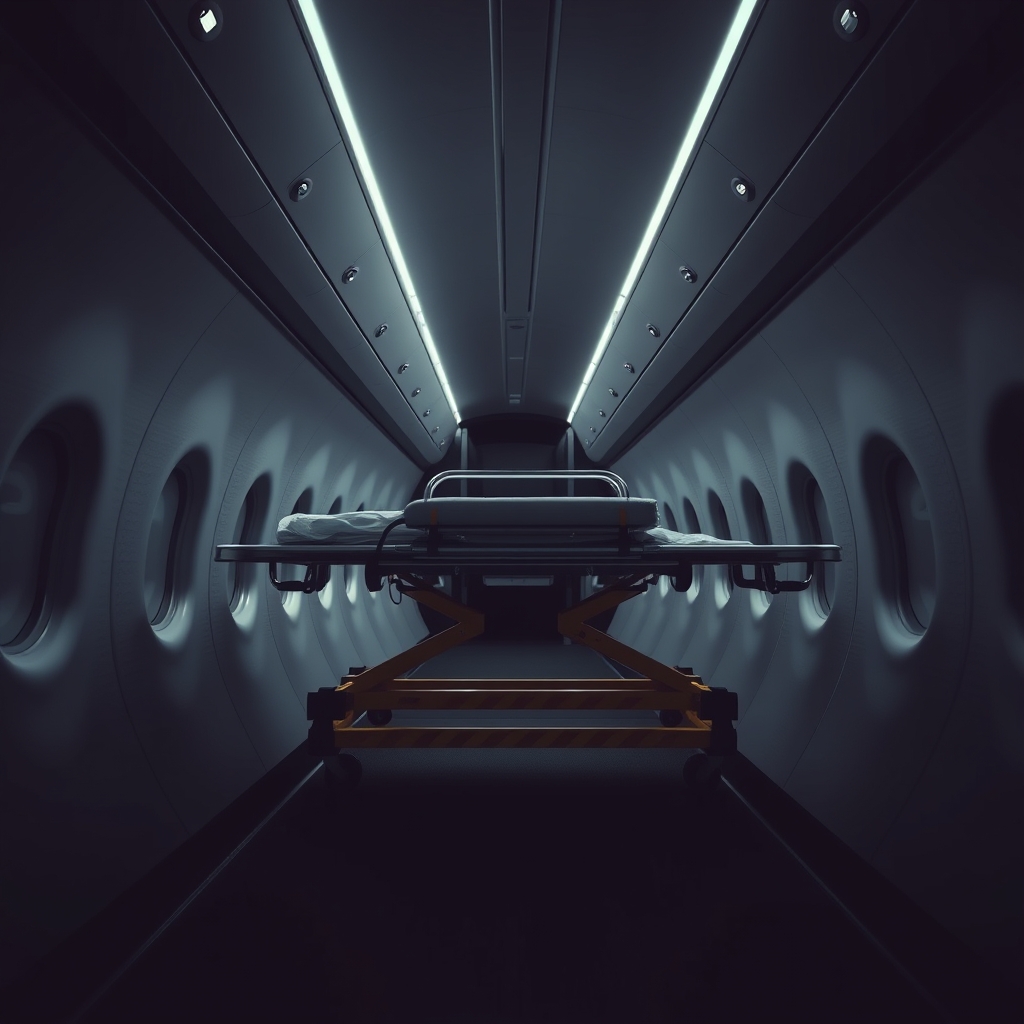
Understanding the Commercial Airline Stretcher: A Lifeline for Medical Travel
Learn more about commercial airline stretcher and how it applies to your specific needs.
When a patient requires long-distance medical transport, the logistics can be overwhelming. Families often face a difficult choice between costly air ambulances and the uncertainty of standard commercial flights. This is where a becomes a vital solution. Designed to fit within the cabin of a scheduled airline, these stretchers allow patients to travel lying down while accompanied by medical personnel. Unlike private medical jets, commercial stretcher services offer a more affordable alternative without sacrificing safety or comfort. For residents in northern regions, such as those seeking an option, this service bridges the gap between emergency care and home.
Learn more about airline stretcher Canada and how it applies to your specific needs.
The concept is straightforward: a dedicated section of the aircraft is reconfigured to accommodate a stretcher, typically by removing several seats. The patient is securely strapped onto the stretcher, and a medical escort monitors vitals throughout the flight. This setup is approved by major airlines and regulatory bodies, ensuring that even critically ill passengers can access long-haul travel. For instance, a family looking for a provider will find that these services are coordinated with airlines flying out of Calgary or Edmonton, making it possible to reach specialized hospitals in Toronto or Vancouver.
The demand for such services has grown steadily as medical tourism expands and families seek to repatriate loved ones. A commercial airline stretcher is not just a piece of equipment; it is a coordinated service that includes ground ambulance transfers, medical escort teams, and real-time communication with the airline. This comprehensive approach reduces stress for both patients and their families. Moreover, when comparing costs, a solution on a commercial flight can be 50–70% cheaper than a dedicated air ambulance, making it accessible to a wider population.
How Commercial Airline Stretcher Services Work
Booking a commercial airline stretcher involves several steps. First, a medical assessment is conducted to determine if the patient is stable enough for commercial travel. This evaluation includes reviewing medical records and current vital signs. Once cleared, the service provider coordinates with the airline to reserve a stretcher position. Most major carriers allow one stretcher per flight, so booking well in advance is essential. The patient is then transported to the airport via a medical ground vehicle and boarded before other passengers to ensure privacy and safety.
During the flight, the patient remains under continuous observation. The medical escort, often a nurse or paramedic, has access to oxygen, suction, and emergency medications. The stretcher itself is designed to be lightweight yet sturdy, with padding for pressure relief. Some providers also offer specialized equipment like ventilators or infusion pumps. For those in remote areas, an might seem like the only option, but commercial stretcher services now serve many smaller airports, reducing the need for costly helicopter transfers.
It is important to note that not all airlines offer stretcher services. However, major carriers like Air Canada, Lufthansa, and Delta have dedicated policies. The cost typically includes the stretcher setup, the medical escort, and additional baggage allowances for medical equipment. Families should request a detailed quote that covers all fees, including any airport handling charges. Providers like Jet Companion specialize in this niche, offering seamless coordination from the initial call to post-flight follow-up.
Benefits of Choosing a Commercial Airline Stretcher Over Air Ambulance
Cost is the most significant differentiator. An air ambulance flight can cost tens of thousands of dollars, while a commercial stretcher service often ranges from a few thousand to around $10,000, depending on distance and medical needs. This makes it a viable option for families with insurance coverage that may partially reimburse the expense. Additionally, commercial flights offer more flexible scheduling, with multiple daily departures on popular routes. This can be crucial when a patient needs to travel on short notice.
Another advantage is the ability to accommodate family members. On a commercial flight, up to two family members can often sit nearby, providing emotional support. In contrast, air ambulances have limited space and may only allow one companion. The familiar environment of a commercial aircraft can also reduce anxiety for the patient. For those requiring an service, the ability to travel on a scheduled flight means less waiting and more predictable arrival times.
Learn more about commercial airline stretcher alberta and how it applies to your specific needs.
Safety standards are equally rigorous. Commercial airlines adhere to strict FAA or EASA regulations, and the stretcher setup is tested for turbulence and emergency situations. Medical escorts are trained to handle in-flight emergencies, and the flight crew is briefed on the patient’s condition. This collaborative approach ensures that the patient receives continuous care without compromising the safety of other passengers.
Who Can Use a Commercial Airline Stretcher?
Learn more about stretcher patient transport and how it applies to your specific needs.
Eligibility depends on the patient’s medical stability. Typically, patients who are bedridden, post-surgery, or suffering from chronic conditions like heart failure or respiratory illness are candidates. However, patients with contagious diseases, severe psychiatric conditions, or those requiring constant resuscitation may be excluded. A thorough medical assessment by the provider is mandatory. For example, a patient needing a service after a spinal injury can travel safely if the stretcher is equipped with a rigid backboard and proper padding.
Age is not a barrier; infants and elderly patients alike have used these services. However, neonates require specialized incubators, which are usually handled by air ambulances. The provider will also consider the flight duration; long-haul flights over 10 hours may require additional medical staff or equipment. Families should disclose all medical details upfront to avoid last-minute cancellations. A reputable provider will offer a pre-flight consultation to review the patient’s history and current medications.
Preparing for a Commercial Airline Stretcher Journey
Preparation begins weeks in advance. The patient’s medical records must be sent to the provider, who then submits them to the airline for approval. A letter of medical clearance from the attending physician is usually required. On the day of travel, the patient should fast as per medical instructions, and all medications should be packed in carry-on luggage. The medical escort will bring a medical kit, but the family should also pack comfort items like a favorite pillow or blanket.
At the airport, the patient is boarded first, often through a separate jet bridge or lift. The stretcher is positioned in a designated row, and the medical escort sits adjacent. During takeoff and landing, the stretcher is secured with additional belts. The flight crew is trained to assist if needed. For those in Alberta, booking a service means working with local coordinators who understand the specific airport procedures in Calgary or Edmonton.
Post-flight, a ground ambulance meets the aircraft to transfer the patient to a hospital or home. The entire process is documented, and the provider offers follow-up support to ensure a smooth transition. Families should keep copies of all paperwork for insurance claims.
Common Myths About Commercial Airline Stretcher Services
Learn more about air ambulance alberta and how it applies to your specific needs.
Myth 1: It is only for emergencies. In reality, many patients use it for planned medical travel, such as returning home after a treatment abroad. Myth 2: It is uncomfortable. Modern stretchers are designed with memory foam padding and adjustable headrests. Myth 3: It is unsafe during turbulence. Stretchers are tested for G-forces and have multiple restraint points. Myth 4: Insurance never covers it. Many travel insurance policies and health plans cover a portion of the cost, especially if it is deemed medically necessary. Always check with your provider before booking.
For those considering an option, it is worth exploring commercial stretcher services first. They offer a balance of cost and care that can meet most needs without the premium price tag.
FAQs
How much does a commercial airline stretcher cost?
Costs vary based on distance, airline, and medical needs. Typically, a domestic stretcher flight in Canada ranges from $3,000 to $8,000, while international flights can be $10,000–$20,000. This is significantly less than an air ambulance, which can cost $30,000 or more. Always request a detailed quote that includes all fees.
Can I book a stretcher service on any airline?
No, only certain airlines offer stretcher accommodations. Common ones include Air Canada, WestJet, Lufthansa, Delta, and Emirates. Your provider will handle the booking and confirm availability. It is best to book at least two weeks in advance.
What medical conditions are unsuitable for commercial stretcher transport?
Patients with unstable vital signs, active seizures, severe infections, or those requiring mechanical ventilation may need an air ambulance instead. The provider’s medical team will assess each case individually to ensure safety.
Can family members accompany the patient?
Yes, typically one or two family members can sit in the same row or nearby. They must purchase their own tickets. The medical escort is always present to attend to the patient’s needs.